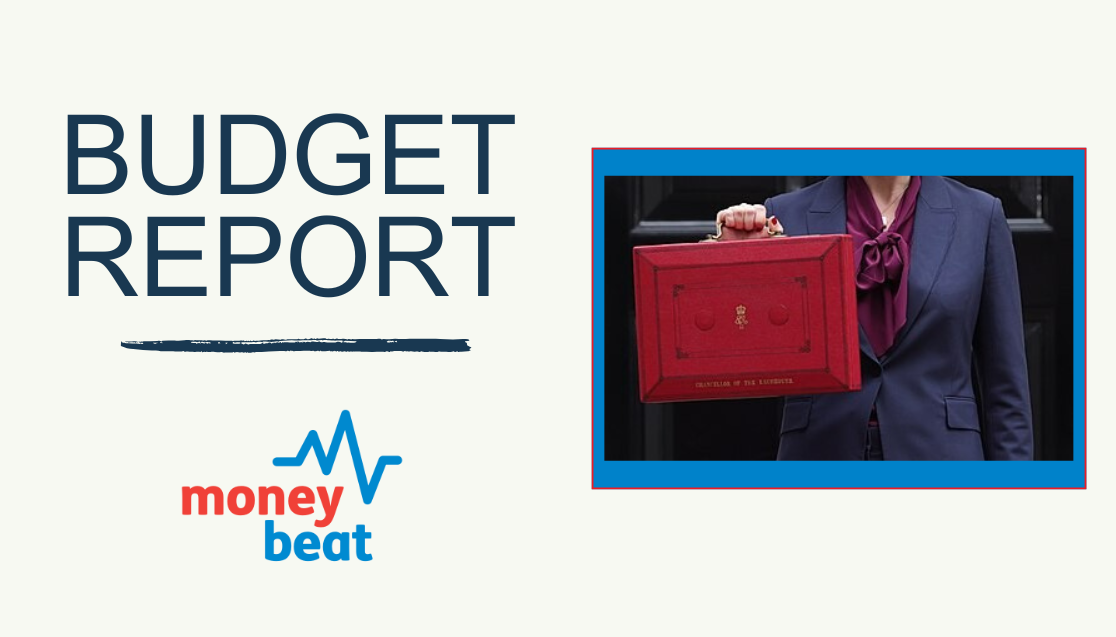
After weeks of speculation, the Chancellor of the Exchequer has delivered the Government’s Autumn Budget, confirming its financial plans for the coming years.
We now know what’s changing – but what impacts you and the members of the Police Family? Here’s a quick rundown of the key measures and policy changes, and what they could mean for you.
Possible LISA reform
There are plans in place for potential reform of the Lifetime ISA (LISA), a product designed to help those aged 18-39 save for their first home or retirement. Currently, you can save up to £4,000 a year tax-free in a LISA and the Government will add a 25% bonus on top.
For all members of the Police Family under 40 – whether Officers, Staff or friends and family – if you want to get a free Government savings boost worth up to £1,000 every tax year, then this is ideal and the product is still available.
That said, a consultation due to be published in early 2026 will focus on the possible launch of a new product designed specifically to support first-time buyers. The Government said this will be a “simpler” product that, once available, will replace the LISA. Financial commentators — including Martin Lewis — expect this may include removing the current property price cap, which has limited many buyers, and saving for retirement after age 60. To be sure we’ll have to wait and see what the consultation, and subsequent changes if any, are made to the current product design.
In the meantime, get a LISA while you still can and, if you apply for one with us before December 19th 2025, you’ll get a £50 Amazon.co.uk Gift Card as an extra bonus when using the code Autumn25.
Changes to ISAs
An important change to how ISA savers are able to manage their finances is on the way, as part of wider plans to promote higher levels of investing in equities to deliver stronger returns to savers over the long term.
From April 2027, the annual cash ISA limit for under-65s will be reduced to £12,000 within the total annual ISA allowance of £20,000. For over-65s, the cash ISA allowance remains unchanged at £20,000.
You’ll still be able to invest up to £20,000 in stocks and shares ISAs each year. If you want to spread your savings across cash and shares, you’ll have the option to put up to £12,000 into a cash ISA, with the remaining £8,000 allowance able to go into stocks and shares ISAs.
These changes only apply to new money going into ISAs; existing savings won’t be affected.
As previously stated, the new £12,000 cash ISA limit will not apply to over-65s. People in this age group will still be able save up to £20,000 tax-free in cash ISAs each financial year.
Moreover, annual thresholds will be held at £4,000 for LISAs and £9,000 for Junior ISAs until April 2031. The annual £4,000 LISA allowance forms part of your overall £20,000 ISA allowance, leaving those that fully fund a LISA with a further £16,000 available each tax year to invest in an ISA. The Junior ISA allowance is in addition to your ISAs.
Even with these changes, this doesn’t have to mean greater headaches for members of the Police Family when deciding how to save. Our Monthly Savings ISA remains a flexible saving tool for delivering long-term returns on investment. Furthermore, it is already classed as a stocks and shares ISA, meaning your full £20,000 allowance can be deposited here.
Income tax and NI threshold freeze extended
The Government has confirmed there will be no increase in the headline rates of either income tax or national insurance (NI) this year.
However, income tax and NI thresholds – which set the amount of income at which you pay different rates of these taxes – will be frozen until April 2031. This is three years longer than previously planned.
Often described as a ‘stealth tax’, this extension of the current thresholds means lots of people are likely to find themselves paying more tax in the coming years as average earnings and inflation rise.
As a result, we’re going to see more and more Police Officers falling into higher rate tax bands as their salaries increase through natural career progression and annual planned pay increases. This will result in a higher proportion of their earnings being paid in tax – because while their income is rising, tax thresholds are staying the same.
The freezing of thresholds could also mean more Officers move in and out of higher tax bands, especially when earnings like overtime pay are taken into account.
This can have knock-on effects like triggering the High Income Child Benefit Charge, which is based on your adjusted net income. If you’re affected by this, you can contact HMRC to check how your net income is being applied and make sure you’re not being overcharged.
A note on your Personal Savings Allowance
Another possible knock-on effect of the frozen income tax and NI thresholds relates to your Personal Savings Allowance (PSA). This is the amount you can earn on your savings (excluding ISAs) each financial year without paying tax.
Your PSA depends on what income tax band you’re in:
- Basic rate taxpayers (i.e. your taxable income is £12,571-£50,270 a year) can earn up to £1,000 in non-ISA savings interest a year with no tax.
- Higher rate taxpayers (earning taxable income of £50,271-£125,140 a year) can earn up to £500 in non-ISA savings interest a year with no tax.
- Additional rate taxpayers (earning taxable income over £125,140 a year) don’t get a PSA.
It’s important to be aware that moving into a higher tax band in the coming years could see your PSA reduced, which will affect how much savings interest you can earn before being taxed.
State pension, benefits increases and other changes
In April 2026, the state pension will increase by 4.8%. This means the full new state pension – which is for people who reached state pension age after April 2016 – will rise from £230.25 to £241.30.
Elsewhere, the Budget included several other policy changes that, depending on your situation, could affect you financially.
It was confirmed that:
- Certain levies will be removed from energy bills from April 2026. According to the Government, this will save the average household on a dual-fuel tariff £150 a year.
- The two-child Universal Credit limit will be lifted from April 2026. This means families claiming Universal Credit will get more benefits if they face extra costs because they have more than two children.
- The Government is freezing regulated rail fares in England until March 2027. This is the first such freeze for 30 years.
- The cost of a single NHS prescription in England will also be held at £9.90 for a year from April 2026.
- Drivers of electric vehicles (EVs) will pay a new mileage-based charge from April 2028, in addition to current vehicle excise duty. This will cost the average EV driver around £20 per month, according to the Government.
Getting to grips with your money
The changes in the Budget and the various ways they could affect you might have you thinking more carefully about your own financial situation and how to improve it.
If that’s the case, you could benefit from attending one of our forthcoming webinars. These events are designed to provide expert help with everything from making the most of your savings to planning for retirement. You can find out more and book your free place here.
If you’d like to talk about your financial options and understand how our products could support your saving or investing plans for the years ahead, feel free to get in touch. Call 01689 891454 to talk to one of our friendly, UK-based team. Our lines are open Mon-Thurs 8:30-5:00pm and Fri 8:30-4:30pm.